
Cloth nappies or disposable nappies? The factual comparison.
A baby is changed around 5,000 times before it is dry. Whether a disposable nappy or a modern reusable nappy: both variants have their particular features. We compare waste volume, skin-friendliness, costs and the time involved transparently on the basis of real figures.
How is a modern cloth nappy constructed?
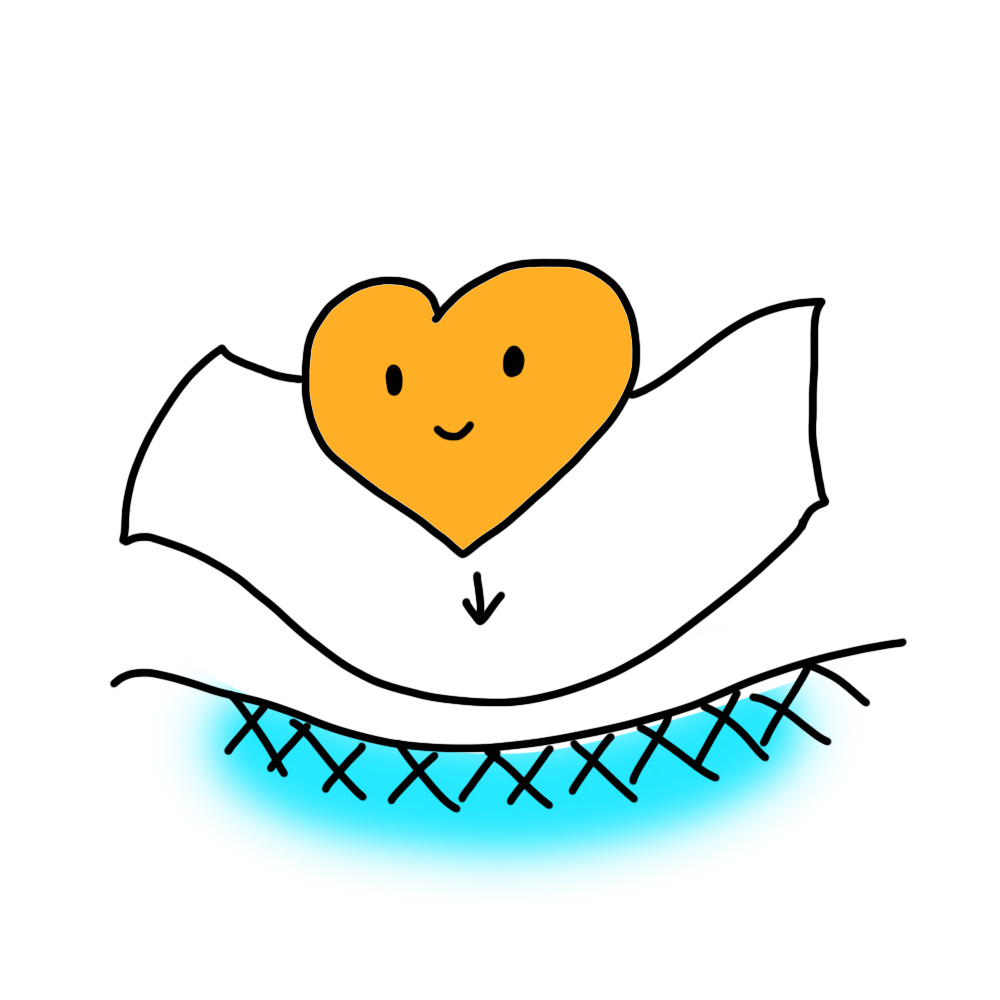
1. Simply catch stools
A thin paper liner sits as the top layer in the nappy. It catches the bowel movement and is simply disposed of in the residual waste when changing – so no stool gets into the washing machine.
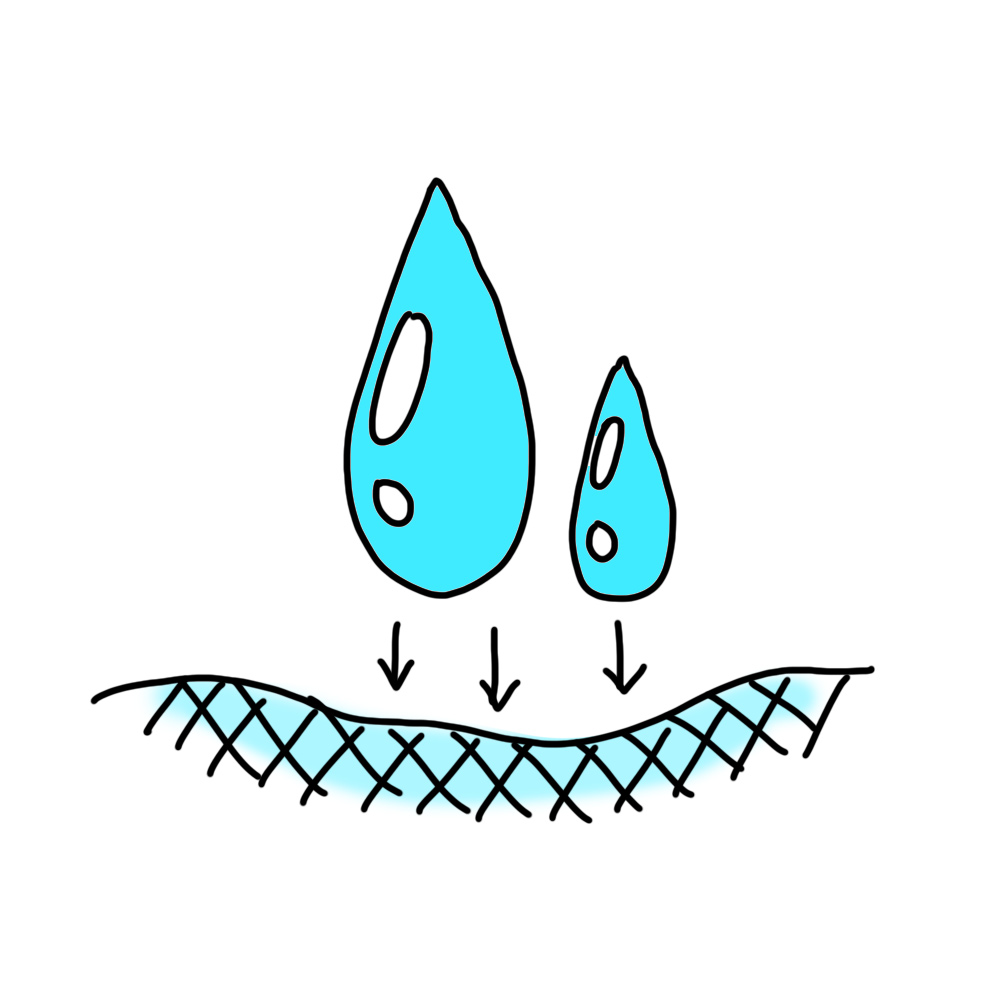
2. Store wetness safely
Beneath the liner lies the absorbent material: highly absorbent natural fibres such as organic cotton, hemp or bamboo viscose take up the moisture quickly and hold it reliably in the core.

3. Keep clothing dry
The outer cover (a nappy cover made of a breathable PUL membrane or lanolised virgin wool) reliably protects the clothing from wetness, but at the same time allows air to circulate.
Waste volume and conserving resources
Disposable nappies
Disposable nappies end up in household waste after being worn once. With 5,000 to 6,000 nappies, around one tonne of residual waste per childis produced, which has to be thermally recovered (incinerated) in waste incineration plants.
For ongoing production, new primary raw materials (wood pulp, plastics from petroleum) are continually used.

Cloth nappies
A set of around 20 to 25 cloth nappies covers the entire nappy period. The weekly nappy waste is virtually completely eliminated.
Transparent eco note on laundry: Anyone who loads the washing machine fully, uses energy-saving 60° programmes and dries on the line significantly reduces the overall ecological footprint compared with disposable products.

Skin-friendliness & 7 good reasons
Materials on baby's bottom
Disposable nappies bind moisture via synthetic superabsorbents (polymers) in the core. The plastic-based outer layers can, however, inhibit air circulation – especially with a full nappy this encourages a moist, warm build-up of heat. In addition, some products rely on fragrances or lotions to mask odours.
With cloth nappies you decide yourself what comes into contact with your baby’s bottom: predominantly soft natural fibres such as organic cotton, hemp, bamboo viscose or virgin wool. They do completely without added fragrances, lotions or plasticisers of concern. The breathable textile layers allow the air to circulate noticeably better and reduce the risk of heat build-up and irritation.
7 good reasons in the video
Purchase, running costs and savings
Running costs for disposable nappies
With around 5,000 to 6,000 nappies over 2.5 to 3 years, the expenses add up steadily:
- Own-brand labels (inexpensive): approx. €900 to €1,150
- Branded nappies (average): approx. €1,350 to €1,850
- Eco disposable brands: approx. €1,800 to over €2,300
- Residual content after drying: 0 €
On average, families spend around €1,200 to €1,800 on disposable nappies alone.
Calculation with cloth nappies
Cloth nappies require a one-off investment at the start and afterwards only cause low running costs:
- Initial kit (depending on the system and budget): approx. €200 to €500
- Electricity, water & detergent (~300 washes in total): approx. €180 to €220
- Possible resale value after the nappy period: approx. €100 to €200 resale proceeds
- Optional bonus: some municipalities pay a nappy subsidy (usually €50–150).
Real saving on the 1st child: Already approx. €600 to over €1,000. If the nappies are used again for a sibling, you save over €1,000 extra once more, as the purchase costs are eliminated completely.
Conclusion: who is the switch worthwhile for?
Disposable nappies offer convenient handling at the moment of changing. Anyone who, however, Avoid mountains of waste, use skin-friendly natural fibres and save several hundred euros will find an everyday-ready solution in modern cloth nappies. The additional effort is limited to about 2 to 3 washing-machine loads per week.